Reclaiming My Life: Battling POTS and Finding Strength Through Advocacy
Gracie, Pennsylvania
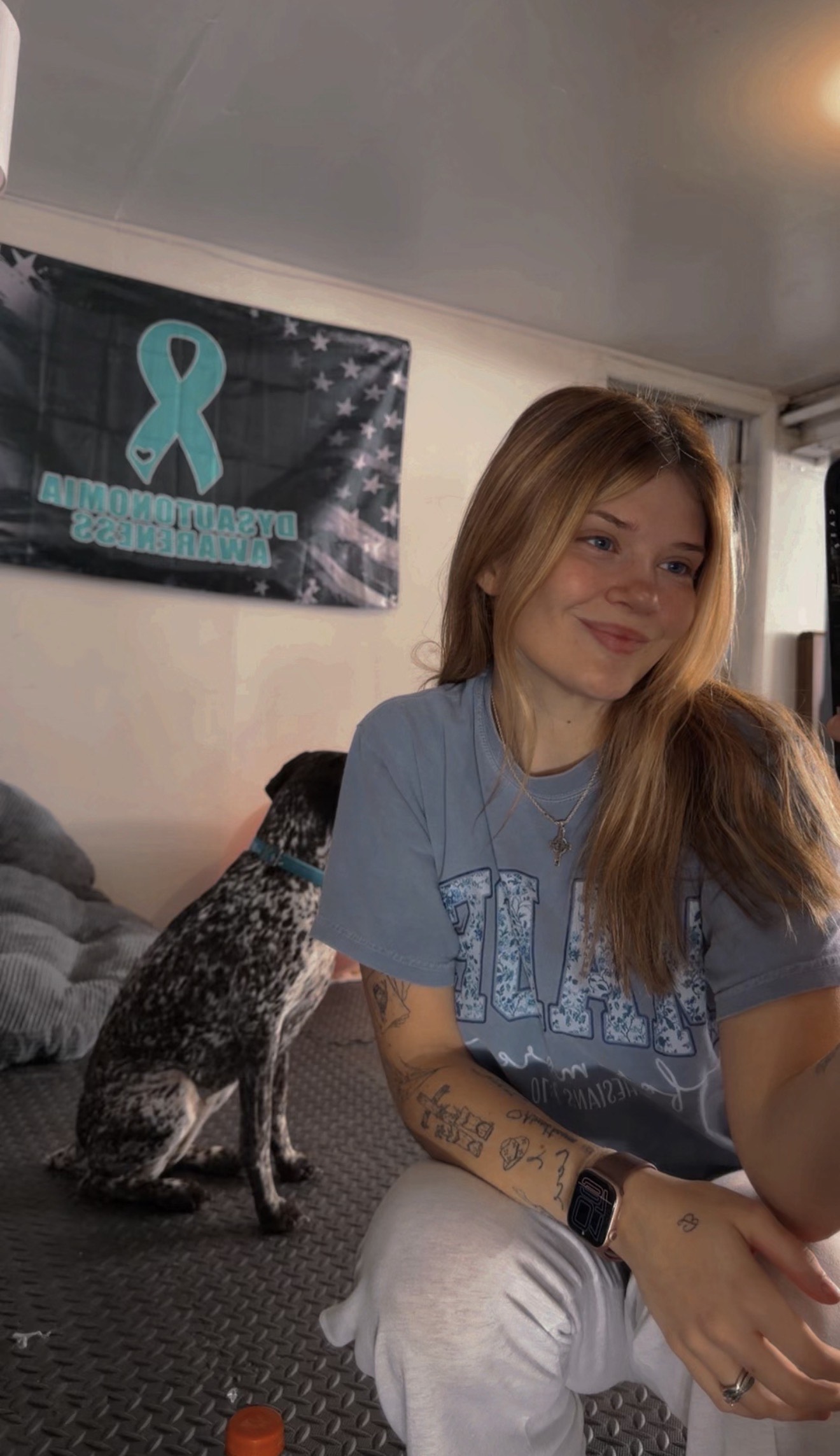
Pennsylvania’s woods and job sites shaped my young adulthood. As a business owner and outdoor enthusiast, life was once filled with long days hunting, riding side-by-sides, and building homes with my husband. But at 21, everything changed. After the heartbreak of losing my grandfather, the anxiety of my brother’s deployment, and the pressures of wedding planning, my life took a sudden and mysterious turn.
Symptoms arrived abruptly with all of these big life changes—dizzy spells, relentless brain fog, palpitations, fainting, daily migraines, and so much more. Simple joys vanished, replaced by a haze of confusion and fear. For seven months, my pleas for answers were met with dismissals: “It’s just anxiety.” Appointment after appointment blurred together. I fought, not just to be heard by doctors, but to find the person I once was.
Everything changed when my biggest advocates—my husband, family, and a determined primary care provider—refused to give up on me. With their help, the puzzle finally fit. I had Postural Orthostatic Tachycardia Syndrome (POTS) and chronic migraines. The diagnosis brought relief, grief, and validation. Suddenly, my story was one among thousands walking this invisible path.
POTS is a daily storm. Normal tasks—standing to make breakfast, answering client calls, folding laundry—require careful planning. Each day is dictated by unpredictable symptoms, dietary sensitivities, and chronic fatigue. I’ve learned the importance of planning ahead and accepting help, savoring small victories, and protecting my comfort at all costs.
My management toolbox includes a carefully chosen diet, hydration and extra salt to support blood pressure, daily compression gear, and vital supplements. I found a lifeline in The POTS Life by Kelsey Botti, who is also a POTSie. She created a community of patients like me and a recumbent biking physical therapy program—spaces where strength and hope flourish. In connecting with others in the program, on social media, and through support groups, I found purpose: sharing my story to help others feel less alone.
Chronic illness forced me to redefine resilience. My priorities—family, business, the outdoors—remain, but I have gained perspective and empathy. I aim to show others they are not alone, and to remind those searching for answers to never stop advocating for themselves. Your story matters, and you know your body best. Keep speaking up. Together, our voices create change.