Navigating POTS From An Early Age
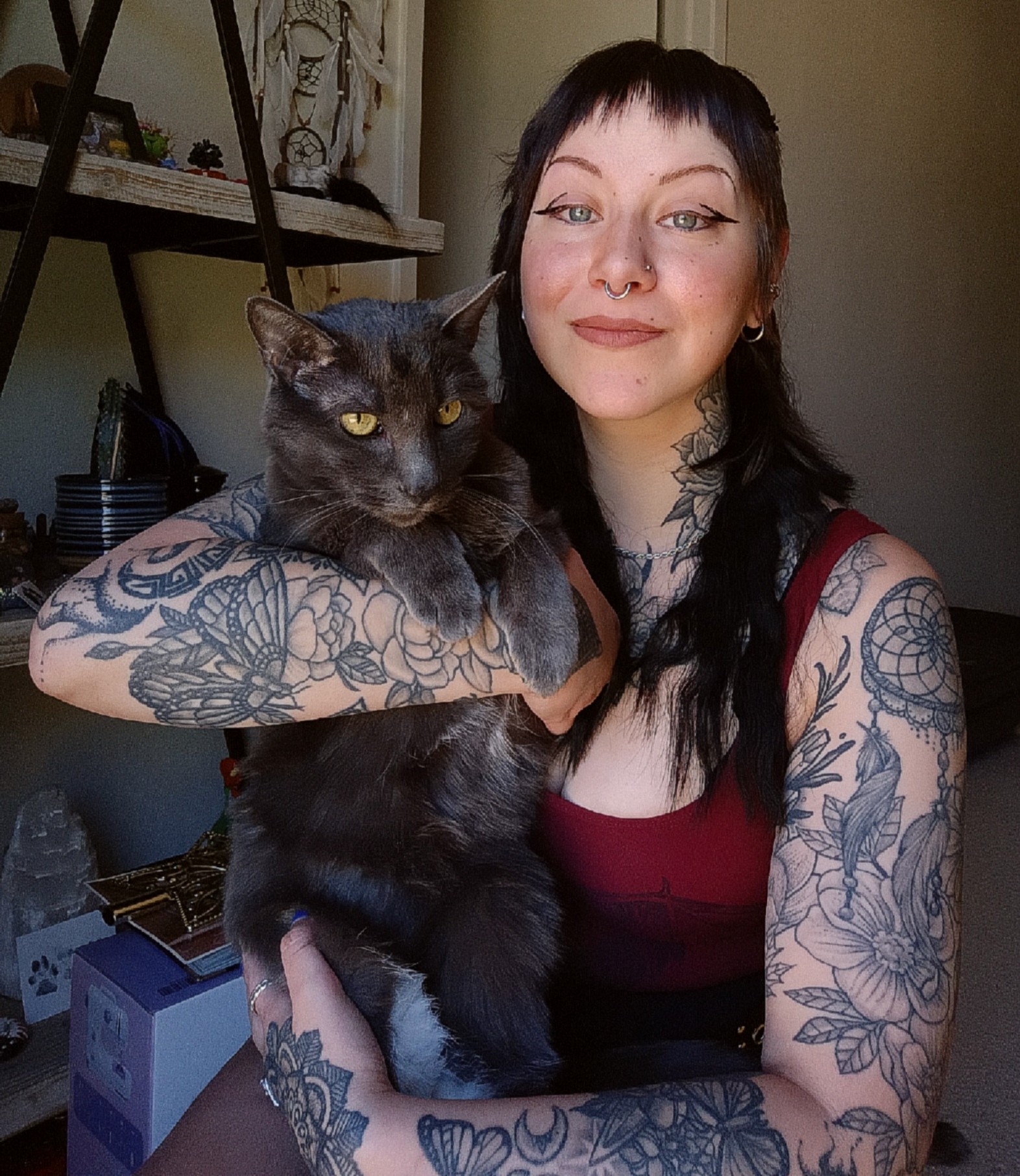
Kaira, age 28, Colorado
For many years, I struggled to find answers, feel heard by medical professionals, and overcome the feeling of defeat. I want to be a light for those who haven’t gotten the answers they deserve yet, those who haven’t felt seen, and those who keep fighting it alone. I want to raise awareness whenever I can because there are a lot of misconceptions surrounding POTS, and there is still a lot unknown about this illness even today.
I have had POTS since 2008, but it hasn’t been an easy road growing up with it. I woke up one night at 10 years old with the room spinning and my heart pounding out of my chest, and none of that was normal for me. Unable to walk that night, my parents took me to the hospital, which led doctors to many questions, tests, and further referrals to other medical offices in my state. Little did I know that night would change my life forever.
Days turned into weeks, which turned into months, which turned into years with few answers. I kept a health log to track what was going on and try to help doctors narrow it down, to no avail. By 2010, I was referred to a neurologist who specialized in treating many dysautonomia symptoms, which was the first step in the right direction. We met a few times and did more testing, such as MRIs and EKGs. Eventually, he realized he had seen these symptoms almost exactly before in another patient, and all the tests we did pointed to POTS.
Having an official diagnosis felt bittersweet. It was gratifying to know what was going on after two years, but I also felt nervous about what this meant for my life going forward. How will I navigate life now? Will this last forever? How do I keep it at bay?
For a long time after my diagnosis, I had a wheelchair for the days when the room wouldn’t stop spinning, my vision was bad, and I felt like I might faint. After about a year, I was given a cane to try to use more. Over time, I could identify the symptoms that meant I would likely faint, and I still use that cane to this day when I feel worse because it helps balance me.
Since then, I have stayed in touch with my doctor as much as I can, and we have a good system for the time being. We did try medications such as beta blockers and fludrocortisone to help keep my fluids and salt intake up, but they ultimately did not help the way we intended over time. So, for the time being, I drink at least four glasses of water daily and keep up my salt intake during the day.
For a few years, I had little to no symptoms until the summer heat would cause my symptoms to ramp up again. Since around 2017, my symptoms have been consistent but vary from day to day. Every day, I have symptoms that range from mild to severe depending on the day, such as chest pains, heat intolerance, elevated heart rate, blurred vision from dizzy spells, and fainting spells.
I do have bad days when I may be bed-bound, some days when I may hold onto walls or counters more as I move, and some days when I may faint several times. This journey has not been easy to navigate, but I know how strong I am, and I have learned how to remain positive through support from friends and family.