Believed at Last: A Journey Through Chronic Illness and Resilience
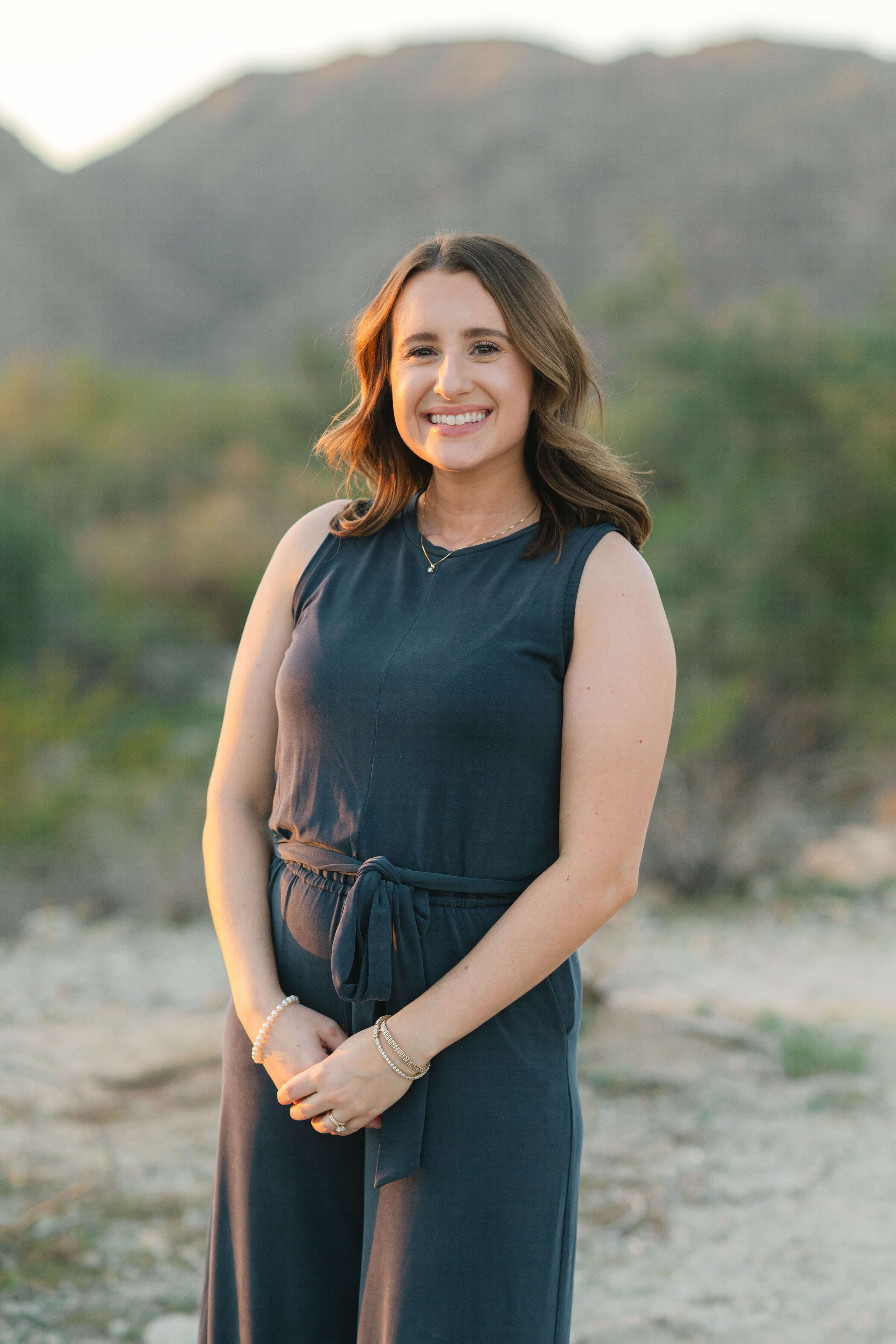
Katie, age 31, Arizona
I can trace pieces of my story back to early childhood—long before I had language for what was happening in my body. I dealt with frequent joint issues, persistent gastrointestinal problems, and debilitating migraines. I saw doctor after doctor, but the message was always the same: you look healthy, you’re fine. So I learned, quietly, to push through.
At 18, everything shifted. I got mono and was bedridden for nearly a month. When I eventually recovered, something in my body never fully reset. In the years that followed, my symptoms slowly intensified, though at the time, I didn’t yet connect the dots.
On the outside, I looked like the picture of health. I had been a dancer my entire life, and in college I was part of a dance company, training more than 20 hours a week. Movement was my identity. But even then, there were cracks I couldn’t ignore—like struggling to catch my breath on casual hikes with friends or feeling lightheaded to the point of nearly fainting. It didn’t make sense. I was strong, active, and “healthy”… so why did I feel this way?
I knew something was wrong, and I started searching for answers.
My primary care doctor ran what felt like endless tests, ruling out everything from Valley fever to blood cancers. Each result came back “normal.” While that should have been reassuring, it was the opposite. I felt like I was disappearing inside a body no one could explain.
Then, during the pandemic, I got mono again—and everything unraveled.
My symptoms escalated dramatically. Standing became a challenge. I felt constantly on the verge of fainting. My heart would race without warning. I dealt with nausea, worsening gastrointestinal issues, ringing in my ears, migraines, and a deep, unsettling shakiness in my body. Daily life became something I had to carefully navigate rather than something I could move through freely.
I began the long cycle of specialists. Cardiology came first—heart monitors, stress tests, echocardiograms. Everything looked “fine.” I was told it was anxiety.
I saw an endocrinologist because of my family’s history with autoimmune conditions, but my labs came back negative. I saw a gastroenterologist for my ongoing issues, and for the first time, someone mentioned a condition I had never heard of: POTS.
That moment changed everything.
I was referred to a specialist in my area. My mom drove 45 minutes with me to the appointment, hoping to support me. We had confirmed ahead of time that she could come back with me, but when we arrived, she was told she had to stay in the waiting room. So I called her and kept her on speakerphone, needing someone else to hear what I had waited years to understand.
The nurse performed a simple test—measuring my heart rate lying down, sitting, and standing—and quickly noted a spike of over 30 beats per minute. It was the first tangible sign that something real was happening.
When the doctor came in, she confirmed that I likely had POTS, and possibly Mast Cell Activation Syndrome and Ehlers-Danlos Syndrome as well. But what should have been a moment of clarity and relief quickly turned painful. Without knowing me, my life, or my hopes, she told me it was probably a good thing I didn’t have children because of my health.
I had just gotten married. I dreamed of becoming a mom.
I left that appointment in tears—$500 out of pocket for an experience that left me feeling dismissed, judged, and deeply discouraged.
But I didn’t give up.
I sought out another specialist—one of the top doctors in the country for POTS, EDS, and MCAS—who happened to be in my area, Phoenix. The financial burden was significant: $2,000 for the first visit, $1,000 for the next, and $500 for each follow-up. It was overwhelming, but at that point, I knew I needed answers more than anything.
That first appointment changed my experience entirely.
For over an hour, this doctor sat with me and my husband, listening—really listening—to my story. For the first time in years, I felt seen. I felt believed. My symptoms weren’t minimized or dismissed; they were taken seriously.
What followed were months of testing—lab work, a tilt table test, and comprehensive evaluations. Eventually, I received the diagnoses that finally connected the dots: Postural Orthostatic Tachycardia Syndrome (POTS), Mast Cell Activation Syndrome (MCAS), and Ehlers-Danlos Syndrome (EDS).
After years of uncertainty, I finally had answers.
But the diagnoses, while empowering, were also deeply challenging. I wasn’t prepared for the emotional weight of it—the shift in identity, the grief of who I used to be. I went from being an energetic, active, social young woman to someone who struggled just to get out of bed. Simple outings became complicated by the anxiety of: What if I feel faint? What if I get sick?
Therapy became an essential part of my healing. With the support of an incredible therapist, I began to process not just my symptoms, but the loss, the fear, and the rebuilding of who I was in this new reality.
Around that same time, my gastrointestinal symptoms worsened significantly. I went through another round of testing, which revealed gastroparesis—a slow emptying of the stomach—and a gallbladder that was no longer functioning. At 28, I had to undergo surgery to have my gallbladder removed. It was another unexpected turn in an already complex health journey.
And then, just a month after recovering from surgery, I found out I was pregnant and felt an immense amount of joy and gratitude for how far I’d come.
Over time, and with the help of an incredible medical team, I’ve learned how to better manage my symptoms. It hasn’t been linear, but it has been steady.
During my pregnancy, I was monitored closely every step of the way. Even then, my journey with POTS didn’t pause—I navigated fainting episodes through breastfeeding and the postpartum season, learning in real time how to care for both myself and my baby.
And yet, becoming a mother is one of the greatest joys of my life—something I was once made to question.
I also recognize the privilege in my story.
I was able to seek out specialized care, to afford expensive appointments, and to keep pushing until I found answers. Not everyone has that opportunity. And it breaks my heart to know how many people are still being told “it’s just anxiety,” made to feel dismissed when, deep down, they know something isn’t right.
We have to do better—for patients who are searching, advocating, and fighting to be believed.
Living with POTS is not something you can always see. But it is something that reshapes every part of your life. And while this journey has brought loss, it has also revealed resilience, strength, and a deeper understanding of myself than I ever would have found otherwise.
If there’s one thing I hope others take from my story, it’s this: trust your body, keep asking questions, and remember you are your own best advocate.
You deserve answers. And you deserve to be believed.