Still Relevant
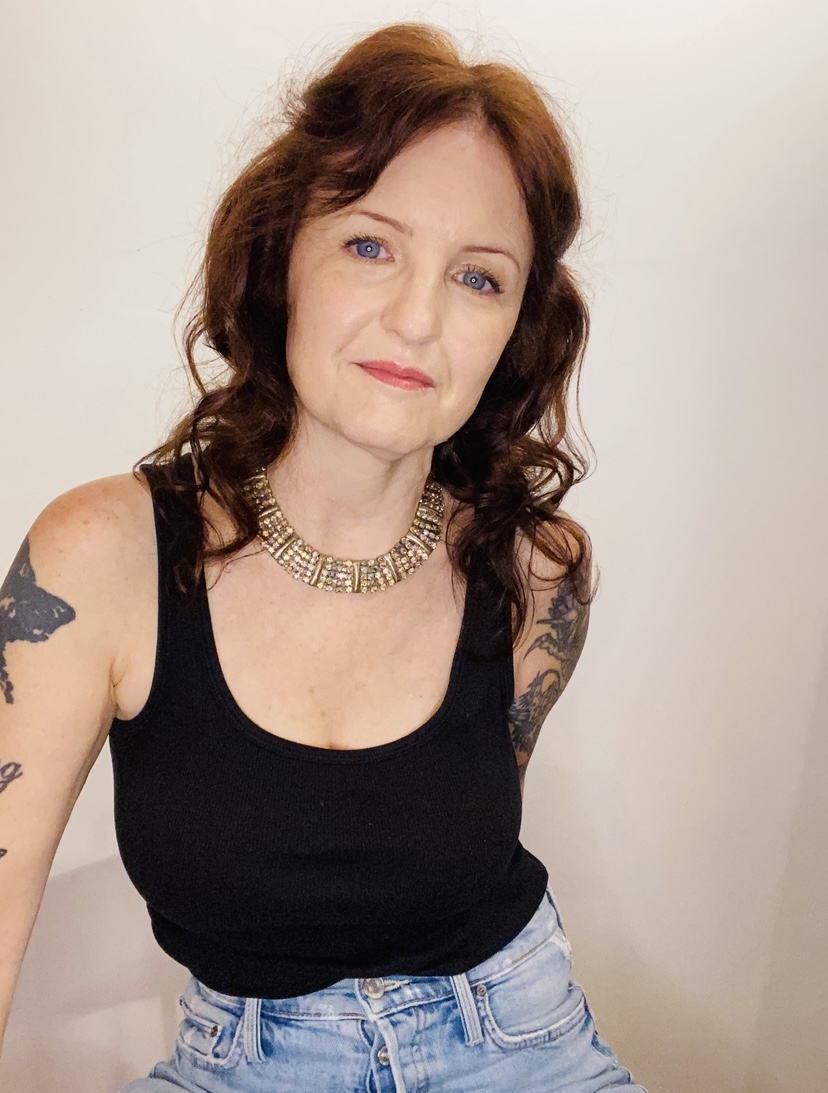
Nellie, age 49, Illinois
I am forty-nine and was first diagnosed with POTS roughly five years ago during a six-day hospitalization in the early days of the pandemic. I deal with many of the known associated symptoms, including presyncope, headaches, exhaustion, issues with pupil and body temperature regulation, nausea, and tachycardia, to name a few. It has changed my life radically.
Before the onset of this illness, I was an artist and a very independent spirit who lived in the Alaskan mountains and wilderness for a decade, then made a life as a singer/songwriter, traveling all over the country singing and playing guitar.
This illness has forced an identity crisis on me, as I was very much defined by the things I did—things that are currently too challenging or incompatible with my POTS symptoms. I find myself amidst a personal transformation that I didn’t choose but do accept, as I’ve found that acceptance is very important.
I admit to succumbing at times to frustration, fear, and sadness, but I believe in my ability to discover and nurture new selves within me and to build a new world to live in—one that allows for the ebb and flow of POTS. A life in which POTS and I can coexist in more harmony, rather than me always fighting this adversarial enemy wreaking havoc within my own body.
I’m writing to join the chorus of other POTSies giving voice to this invisible illness that can be so isolating, and to be part of a collective force bringing awareness, compassion, and visibility to a largely misunderstood disorder, in hopes that better medical care, employment opportunities, and social graces are pursued.
Sadly, I have experienced how uncomfortable many able-bodied people are with someone having challenges, especially a “healthy-looking” person. This leads to us being discredited, left out, and unfairly judged.
So much of a person’s value in our society today is based on the ability to work oneself to exhaustion, championing the worker putting in the longest day, and so on. This model overlooks the many potential artistic and intellectual contributions made by those of us medically incapable of the hustle and grind. The archetype of rugged individualism is not attainable for the afflicted—and that’s coming from a woman who used to haul her own water and split wood for heat! The humbling of a person with a medical disability, forced to require and ask for help from others, is a perspective that embodies a very “we’re all in this together” mindset, which would be beneficial to society if adopted by all people, healthy and otherwise.
I do what I can to help myself by maintaining healthy habits, including meditation, but POTSies need help, and I want to express emphatically to others that there is no shame in needing and asking for it. It does not mean we are weak. The mental fortitude and optimism required to live with chronic illness should not be underestimated. We seek understanding, respect, and accommodations when possible so that we might better function and contribute to humanity, utilizing our individual gifts the best ways we can.