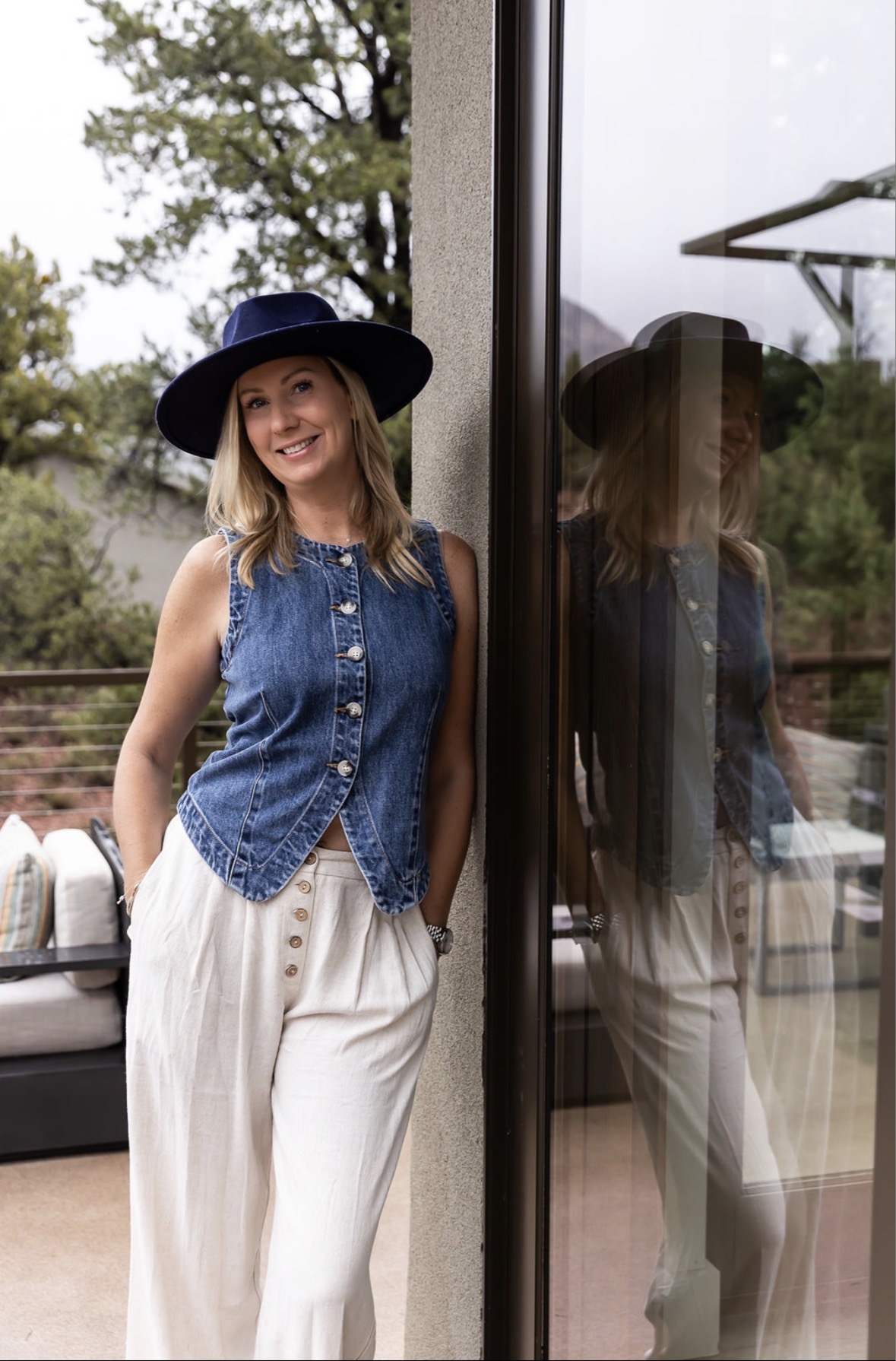
Still Standing
Nicole, age 45, Arizona
My journey with Postural Orthostatic Tachycardia Syndrome (POTS) didn’t begin with a diagnosis—it began with confusion. My heart would race without warning. I felt dizzy and faint, exhaustion consumed my days, migraines became debilitating, and I started experiencing symptoms that seemed impossible to explain. Brain fog, air hunger, coat hanger pain, adrenaline surges, heat intolerance, and crushing fatigue slowly became my new normal.
Like so many people living with dysautonomia, I was told my tests were “normal.” I questioned myself. I wondered if this was just anxiety or if I was somehow imagining what my body was going through.
Eventually, after years of searching for answers, countless appointments, and a hospitalization where my heart rate climbed above 200 beats per minute, I finally heard the words that changed everything:
“You have POTS.”
Receiving the diagnosis wasn’t the end of my journey—it was the beginning.
There is no single medication or treatment that magically gives you your life back. Healing became a process of learning my body instead of fighting against it. I discovered that managing POTS required much more than prescriptions. It meant understanding my nervous system, wearing compression, increasing salt and fluids, pacing my energy, rebuilding strength slowly, prioritizing sleep, managing stress, and learning to celebrate even the smallest victories.
Some days, those victories looked like walking on the beach. Other days, they looked like simply getting out of bed.
Living with a chronic illness has humbled me in ways I never expected. It has taught me resilience, compassion, patience, and the importance of asking for help. It has also shown me that healing isn’t always about becoming the person you once were—sometimes it’s about becoming someone even stronger.
One of the greatest gifts to come from this diagnosis has been finding community. Chronic illness can be incredibly isolating, but the moment I connected with others who understood exactly what I was experiencing, everything changed. I realized I wasn’t alone.
That realization inspired me to create Regulate & Rise, a community dedicated to helping people with POTS and dysautonomia feel educated, supported, and hopeful. Through support groups, education, and shared experiences, my mission is simple: to help others spend less time surviving and more time truly living.
Today, I still have difficult days. POTS is still part of my story.
But it is no longer the author of my story.
I am a wife, a mother, an advocate, a support group leader, and someone who believes deeply that even when healing isn’t linear, progress is always possible.
If you’re reading this while searching for answers or wondering if you’ll ever feel like yourself again, I want you to know this:
There is hope.
You are not lazy.
You are not weak.
You are not imagining your symptoms.
Your body is not betraying you—it is asking to be understood.
Keep advocating for yourself. Keep learning. Keep believing that better days are possible.
Because even in the hardest seasons, you are still standing.
And sometimes, that’s where healing begins.