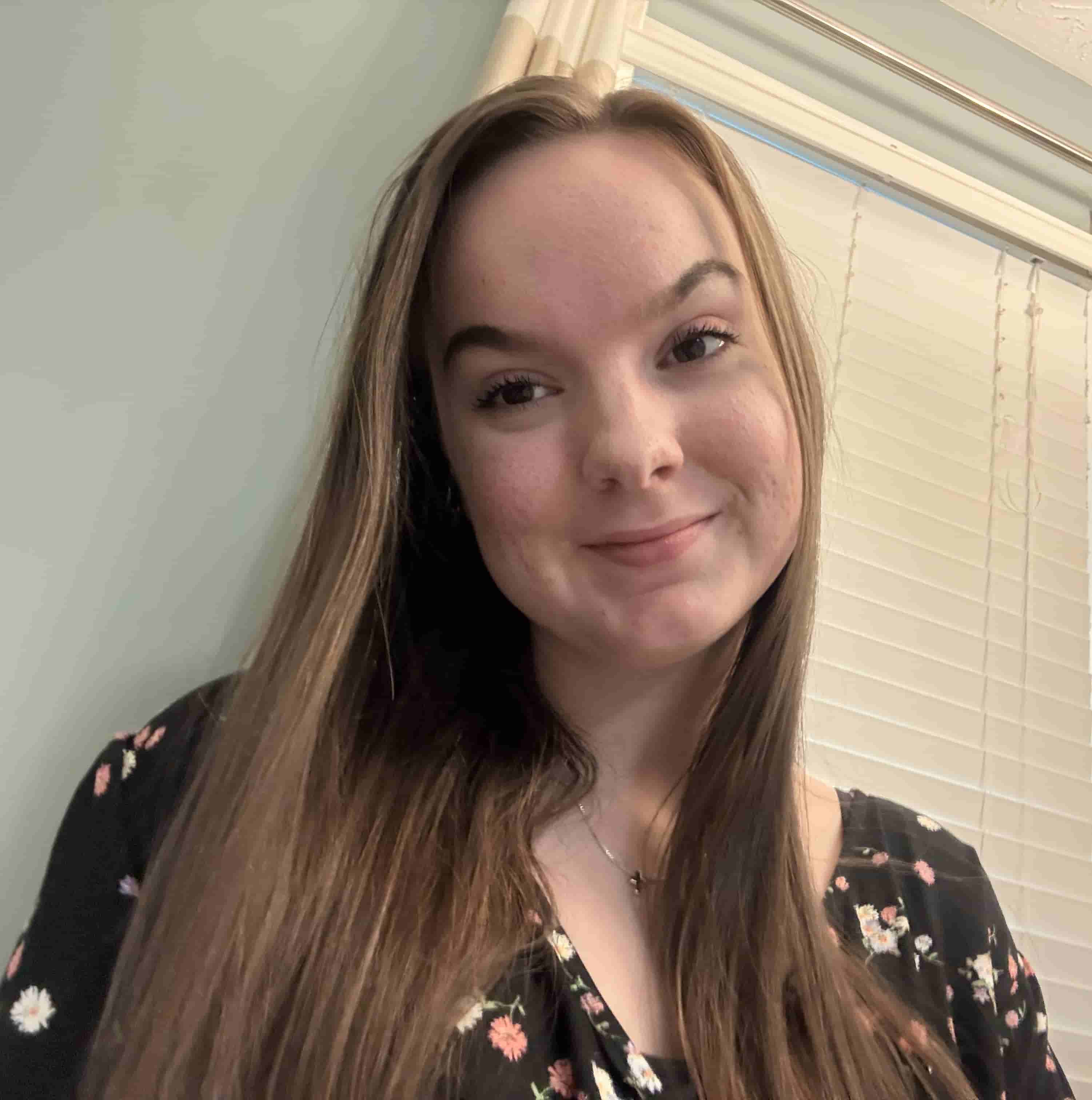
Living Upright: My Journey with POTS
Olivia, age 23, United States
I was diagnosed with POTS when I was sixteen, after several years of struggling with a body that felt like it was betraying me. This condition, Postural Orthostatic Tachycardia Syndrome, affects the autonomic nervous system—the part of the body that is supposed to automatically regulate heart rate, blood pressure, digestion, and even temperature.
For me, those systems were not working properly. My heart could race to 160 just from standing up, and my blood would pool in my legs instead of circulating to my brain, leaving me dizzy, lightheaded, and exhausted. Simple tasks, like walking from my bedroom to the kitchen, felt like running a marathon. That was especially frustrating because I used to be a runner. Running was something I loved, something that made me feel strong, and suddenly even short walks were difficult.
By the time I was fifteen, my body was breaking down in ways I couldn’t ignore. I was in constant pain, perpetually tired, and struggling with dizziness that never seemed to let up. I had to drop out of public high school because I was getting so sick, missing out on time with friends, school events, and adventures I had always looked forward to.
I eventually began using a cane for short distances and a wheelchair for longer distances. While it was an adjustment, these tools helped me regain some independence.
After countless tests and appointments, I was finally diagnosed with several chronic illnesses, including POTS. Living with POTS has been a balancing act. Medication helps manage my heart rate and blood pressure, but I still rely on strategies like staying hydrated, taking Vitassium salt pills, and using electrolyte drinks like LMNT and Liquid IV. I’ve also tried IV infusions in the past to help manage symptoms. Even with all of this, fatigue, dizziness, and other symptoms can still interrupt my life, requiring pacing and planning for every day.
Despite the challenges, I’ve learned resilience and self-awareness in ways I never imagined. POTS doesn’t define me, but it has shaped my understanding of listening to my body and caring for myself intentionally. Sharing my story isn’t easy, but I hope that by speaking honestly about living with POTS, navigating multiple chronic illnesses, and adjusting to life after being an active runner and a typical high school student, I can offer understanding and encouragement to others facing similar struggles.