This Was Never in My Head – This Was in My Autonomic Nervous System
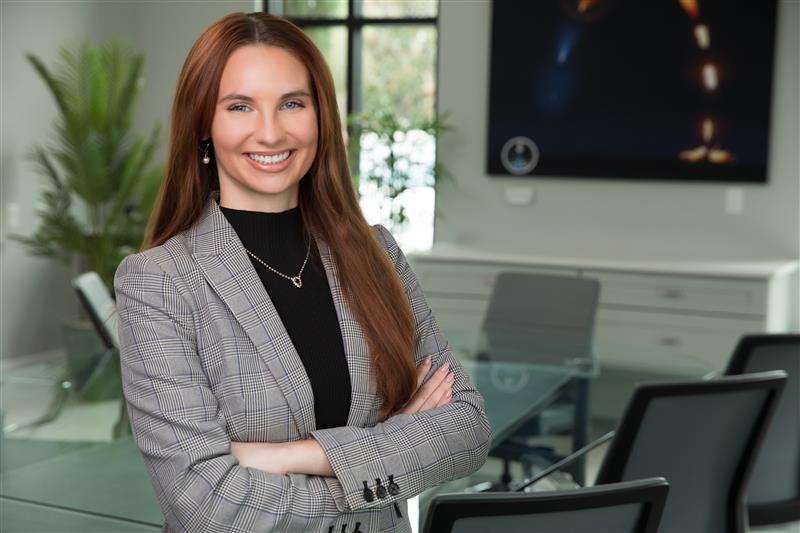
Sydney, age 24, Florida
In my teens, I became plagued with frequent bouts of nausea, cold sweats, and tunnel vision. I dismissed this as hormonal changes. When raising the issue with my primary care physician, telling him that “I felt tired all the time,” he inquired about my mental health. After a short nudge, trying to convince this nurse practitioner that this was not related to anxiety or depression, it was suggested that I must be “mildly anemic like a large population of girls my age.”
At 16, I experienced my first vasovagal syncope episode. In a blood typing biology lab, my stomach turned. I informed my partner that I felt nauseous. I woke up on the classroom floor with my teacher feeling my pulse. Kids whispered outside that I had a seizure.
Dizziness was not unusual for me, as I endured episodes on a daily basis. But falling unconscious — and seizing? That was a new fear.
After contracting COVID-19 during my junior year of college, I became noticeably more out of breath. Climbing stairs in my dorm and even showering at times seemed like impossible tasks. This sensation of weakness never went away. All my nausea and dizzy spells from my teenage years became amplified.
Again, doctors prescribed iron (despite healthy ferritin levels) and referred me to therapy. In 2024, I left work for my annual check-up. It was supposed to be a quick 30-minute visit to establish primary care. I had been feeling unwell the past couple of weeks but thought nothing of it.
Sitting in the waiting room, I began to grow clammy. I waned in and out of tunnel vision. Alas, I was called back. As the medical assistant was taking my vitals, I urgently felt that I was going to vomit. I informed her, “I’m really not feeling so well” — famous last words I tend to say before fainting.
I awoke in a daze with my muscles in excruciating pain. About five people were in the room, shining flashlights in my eyes, pricking my finger for glucose, and asking me if I knew my name and if there was any chance I was pregnant.
I was told I had seizure-like activity. I recalled back to the time I fainted in my high school bio class, when all the kids said I had a seizure. “That’s not possible,” I said. “I don’t have epilepsy. Do I?”
I was sent home to find a different primary care physician — once again without answers.
The moment the doctor’s office opened the next morning, I called asking for an appointment. I do try to be an easygoing patient, as I know the horrors customer service faces. Holding back tears, I told the scheduler I had a seizure at one of their clinics yesterday and needed a doctor who would see me. By a miracle, there was an opening that day.
The new physician listened calmly. She asked questions about things I’d regarded as normal. “Do you ever feel dizzy when showering?”
She then suggested I had POTS and referred me to a cardiologist.
Over the course of four months and many cardiac tests, a Tilt Table Test ultimately confirmed I have a triple whammy of conditions that fall under autonomic dysfunction — POTS, orthostatic hypotension, and mixed cardio-inhibitory neurocardiogenic syncope. As the nurse wheeled me back from my test, he said the words I never thought I’d hear from a medical professional: “This was never in your head. I saw it. I saw all your vitals. This is not anxiety. This is a very real, physical condition you have. You’re the real deal.”
Many ask what difference a diagnosis makes when there is no cure. To me, having a diagnosis validated that all of those years of raising concerns to medical professionals was not wasted. I was never crazy for thinking there was something more that was wrong.
Since my diagnosis, I’ve made some lifestyle adjustments. Daily electrolytes, compression socks, and modified exercises have improved my symptoms.
I still grieve the body I had before I was sick. I think anyone with a chronic illness does. But I am also building a new relationship with my body — one rooted in listening instead of pushing, in partnership instead of frustration. This life may look different than I imagined, but it is still mine to live fully.